About

The work changed. So did we.

Work Transformers began in workplace strategy, design and corporate real estate. Twenty years in the field taught us one thing above all: analysis could no longer happen once every five years. So the company evolved.

About

Twenty years in the field. Long enough to watch the model break.

What changed
Analysis could no longer happen once every five years.

For most of the last two decades, advising the built environment meant deep work at a single point in time: a strategy, a design, a recommendation, set against a five to ten year real estate cycle. The model assumed the world would hold still long enough for the answer to stay true.

It stopped holding still. Cycles shortened. Hybrid working reset how space is used. Information multiplied and scattered across spreadsheets, PDFs and disconnected systems. Teams were asked to decide faster, on more, with the same people. A single, static recommendation began to age before it was even implemented.

Shorter cycles

Markets and workplace decisions now move faster than a long project plan can keep up with.

Fragmented information

The evidence a decision needs sits across more systems, in more formats, than any one person can hold.

Overloaded teams

The same experienced people are asked to cover more ground, more often, without more time.

~2005
Workplace strategy and design
Advising occupiers and professional services across the built environment.
2020s
Cycles compress
Hybrid working and faster markets break the long, static project model.
Recent
Applied to our own work
Methods built and tested on live engagements, with engineering support.
Today
Advisory and deployment
Continuous operational systems deployed inside client organisations.
Why we evolved
We started with our own work.

We did not set out to become a technology firm. We began by applying these methods to our own consulting: structuring messy information, speeding up analysis, making research and operational reviews more consistent. Working alongside one engineer, we built and tested the methods on real engagements long before they went anywhere near a client.

Clients noticed. The teams we worked with, particularly in professional services and among occupiers sitting on large datasets, started asking for the same capability inside their own organisations. What had been a better way to do our work became something we could deploy in theirs.

Applied internally

First on our own engagements, where we could see exactly what worked and what did not.

Proven in real work

Tested against live projects and real decisions, not in a lab.

Deployed with clients

Then built into client organisations, where the results kept compounding.

Most clients said we would work ourselves out of a job. The opposite happened.
What we became
Advisory and deployment, not one or the other.

Work Transformers is now an operational partner for the built environment. We understand workplace strategy, design and corporate real estate as deeply as we always have. But the engagement no longer ends at a recommendation. We deploy the operational systems that carry the work, with our industry knowledge built in, and we keep improving them.

Some clients still come to us for a single piece of advisory work, and we are glad to do it. Most now want the analysis to keep running: continuous operational support, rather than a report that dates. We work where industry expertise, applied technology and structured operational systems meet.

Why Labs exists
The same problems kept reappearing.

Across engagements, the same operational bottlenecks kept surfacing: the same fragmented inputs, the same repeated analysis, the same friction between people and information. Solving them once was useful. Solving them in a way that improved with every deployment required ongoing research.

Work Transformers Labs is that research function, connected directly to real operational work rather than separate from it. It is where recurring problems are studied, methods are tested, and findings feed back into what we deploy. Our current research initiatives include:

People
Operators first.

Work Transformers is led by people who have spent their careers in the built environment, not in technology for its own sake. The team pairs decades of workplace, design and real estate experience with the engineering and systems capability to put it to work.
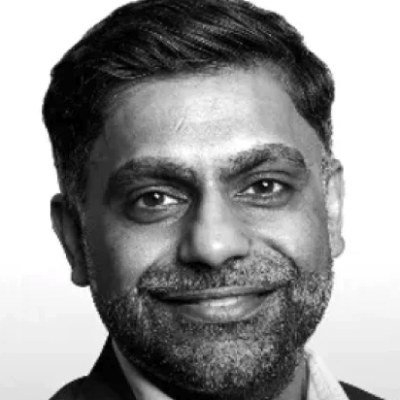
Sam
Sam
Founder
Two decades in workplace strategy, design and corporate real estate, advising occupiers and professional firms. Now deploying the operational AI systems that keep that expertise working continuously.

Shahrukh
Shahrukh
Full Stack AI Engineer
Full-stack AI engineering across Python, Django and machine learning. Builds and deploys the models, services and pipelines that sit behind dependable production systems.
Junaid
Junaid
Senior Developer
Senior front-end and interface engineering with React and Node. Turns complex operational systems into clean, responsive interfaces that teams use every day.

Hammad
Hammad
Software Engineer
Backend and AI engineering across LLM infrastructure, agentic systems and retrieval. Builds the production systems that turn institutional knowledge into reliable working intelligence.
A
Athar
Senior Full Stack Engineer
Senior full-stack engineering, known for data abstraction, clean code and AI prompt engineering. Builds the connective layer that makes models work reliably across messy, real-world data.
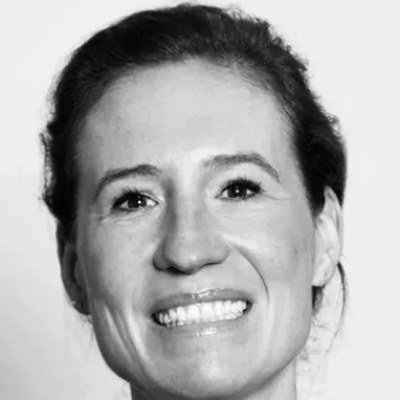
Esther
Esther
Workplace Strategy and Research
A work and organisational psychologist with over twenty years in workplace advice. She supports our workplace research, grounding it in how organisations really perform.
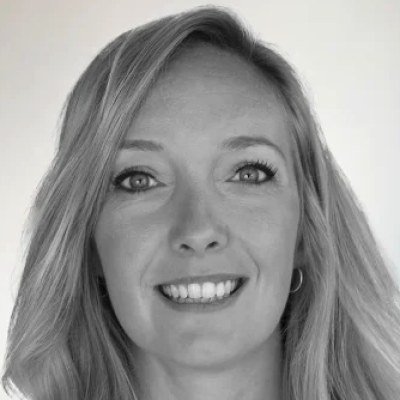
Britt
Britt
Workplace Research
A strategic product designer and workplace consultant of six years, bridging strategy and design. She supports our workplace research with how people really use space.
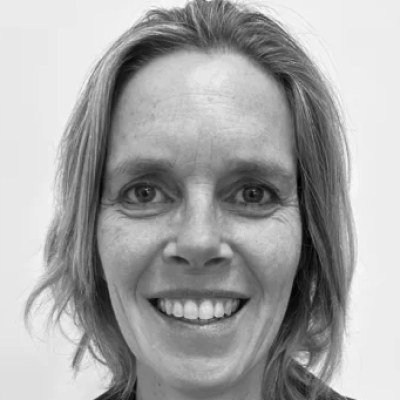
Noelle
Noelle
Workplace Research
An architect from Delft specialising in complex office environments, with a focus on people and sustainability. She supports our workplace research with real design insight.

Alex
Alex
Client Success Advisor
Advises on client success, making sure deployed systems land well, deliver real value and keep earning their place inside the teams that use them.
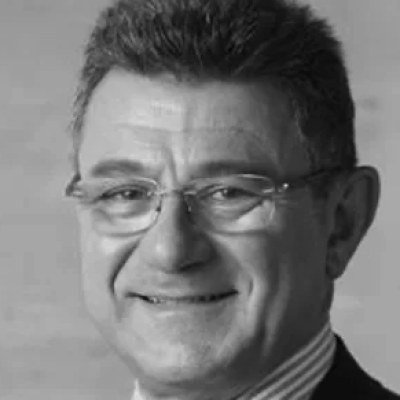
Aldo
Aldo
Change Lead
Leads change and adoption, guiding teams from old ways of working into new operational systems and making sure the change holds across the organisation.
Start here

See how we work today.